Kocka
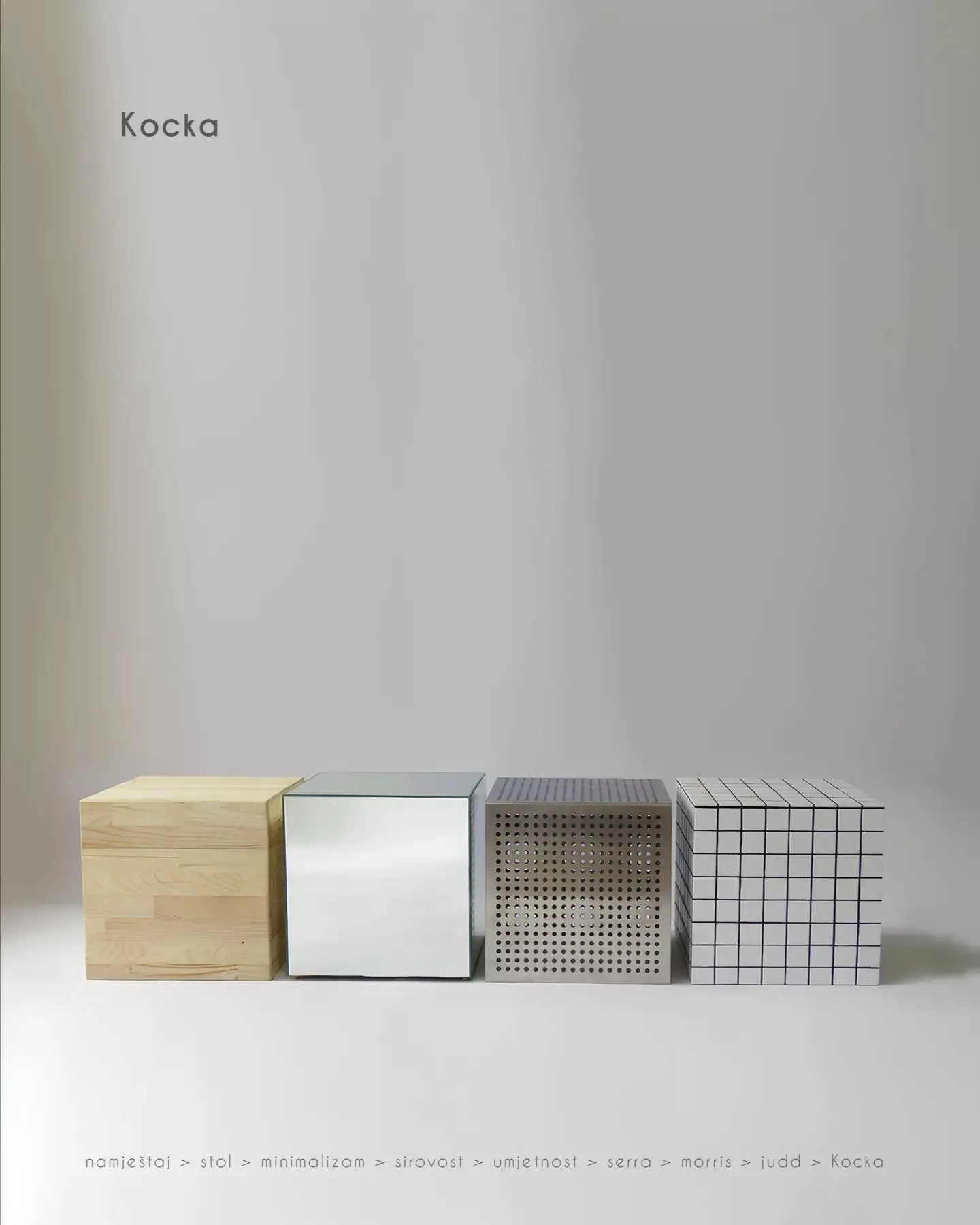
The Kocka side table collection takes one of geometry's most fundamental forms, the cube, and transforms it into an object that functions simultaneously as furniture, sculpture, and modular spatial tool.
Conceptually, the collection draws from the phenomenon of liminal spaces: architectural zones that exist between functions, between transition and stability. This atmosphere of ambiguity becomes its foundation.
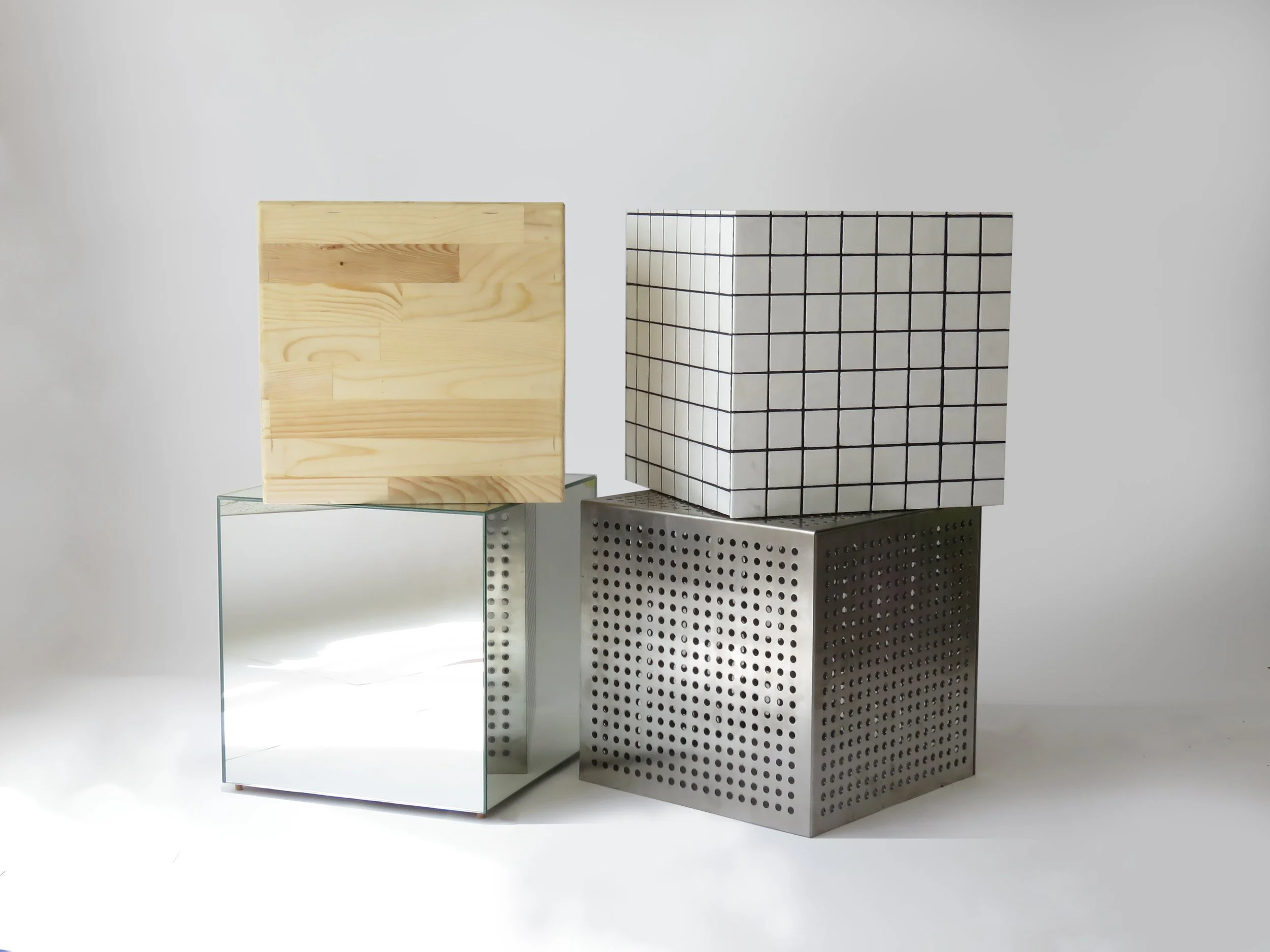
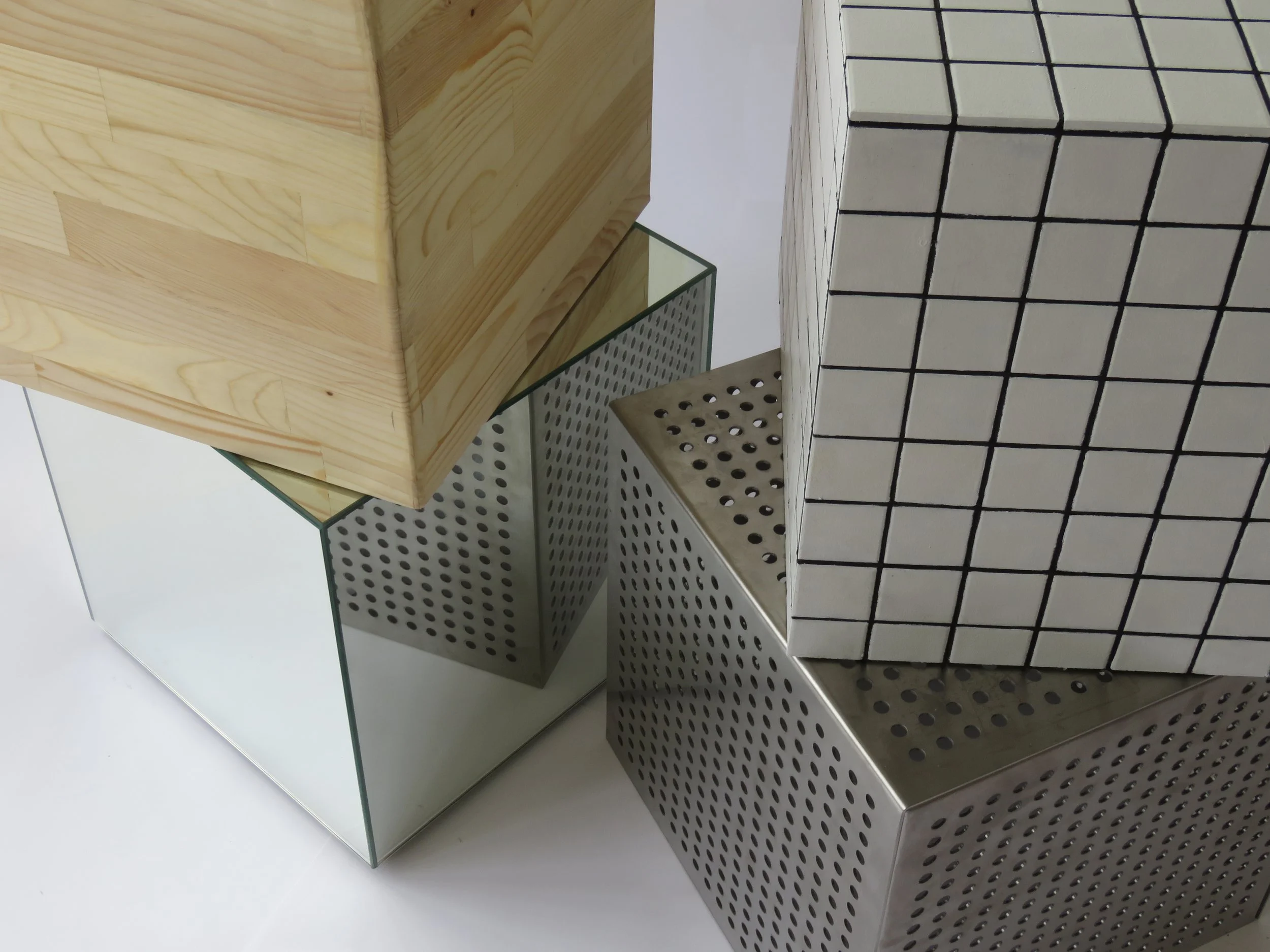
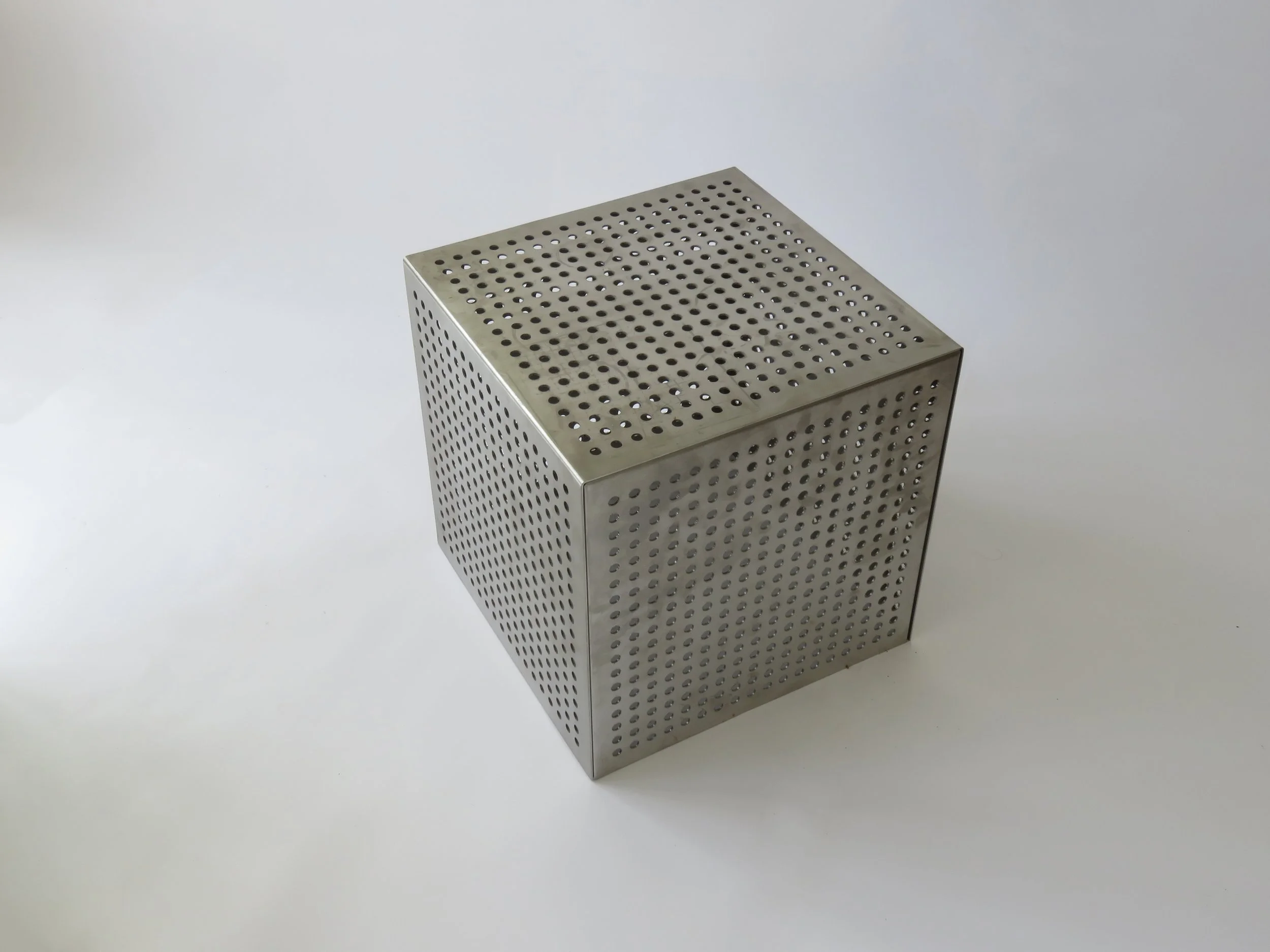
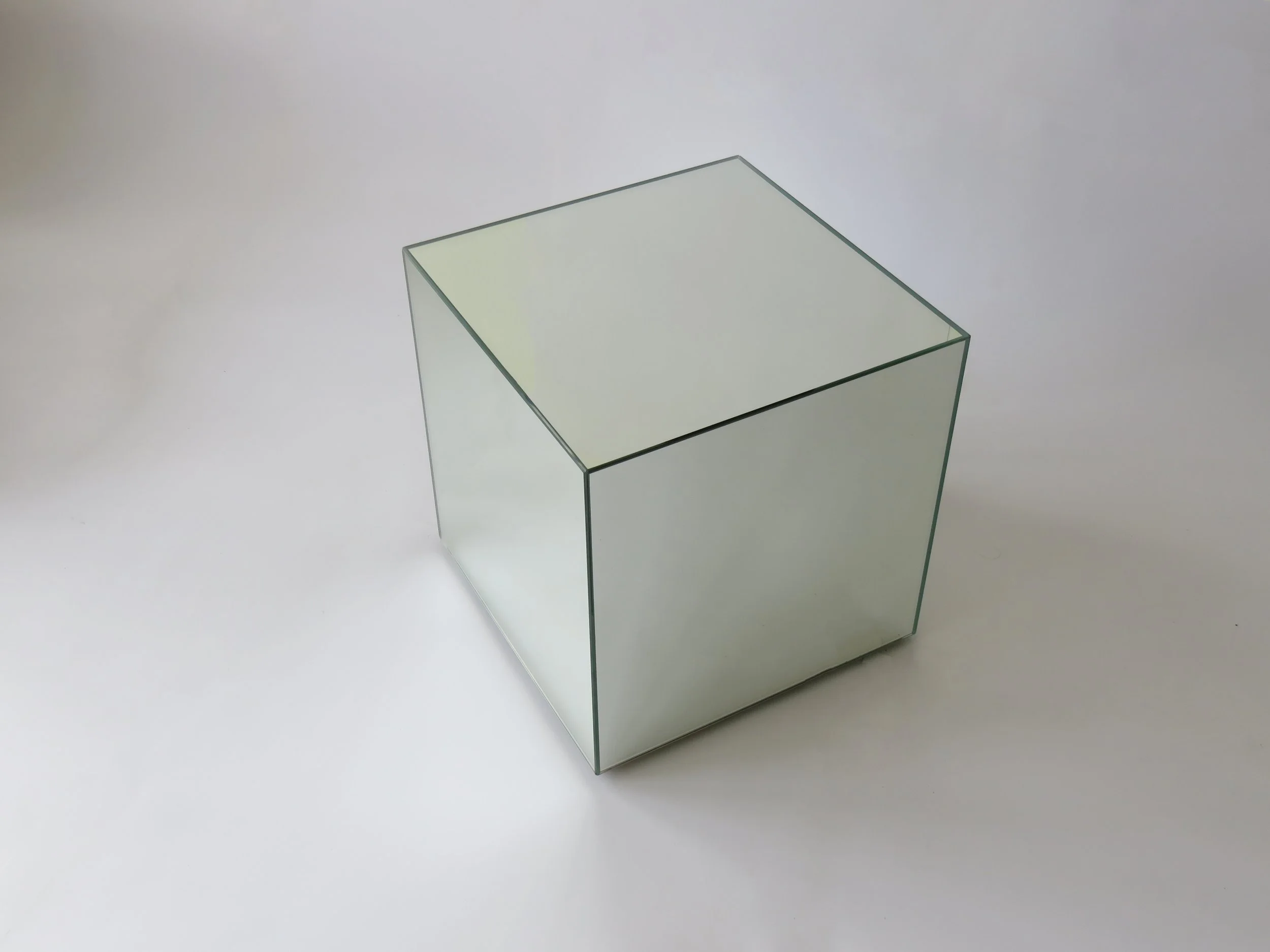
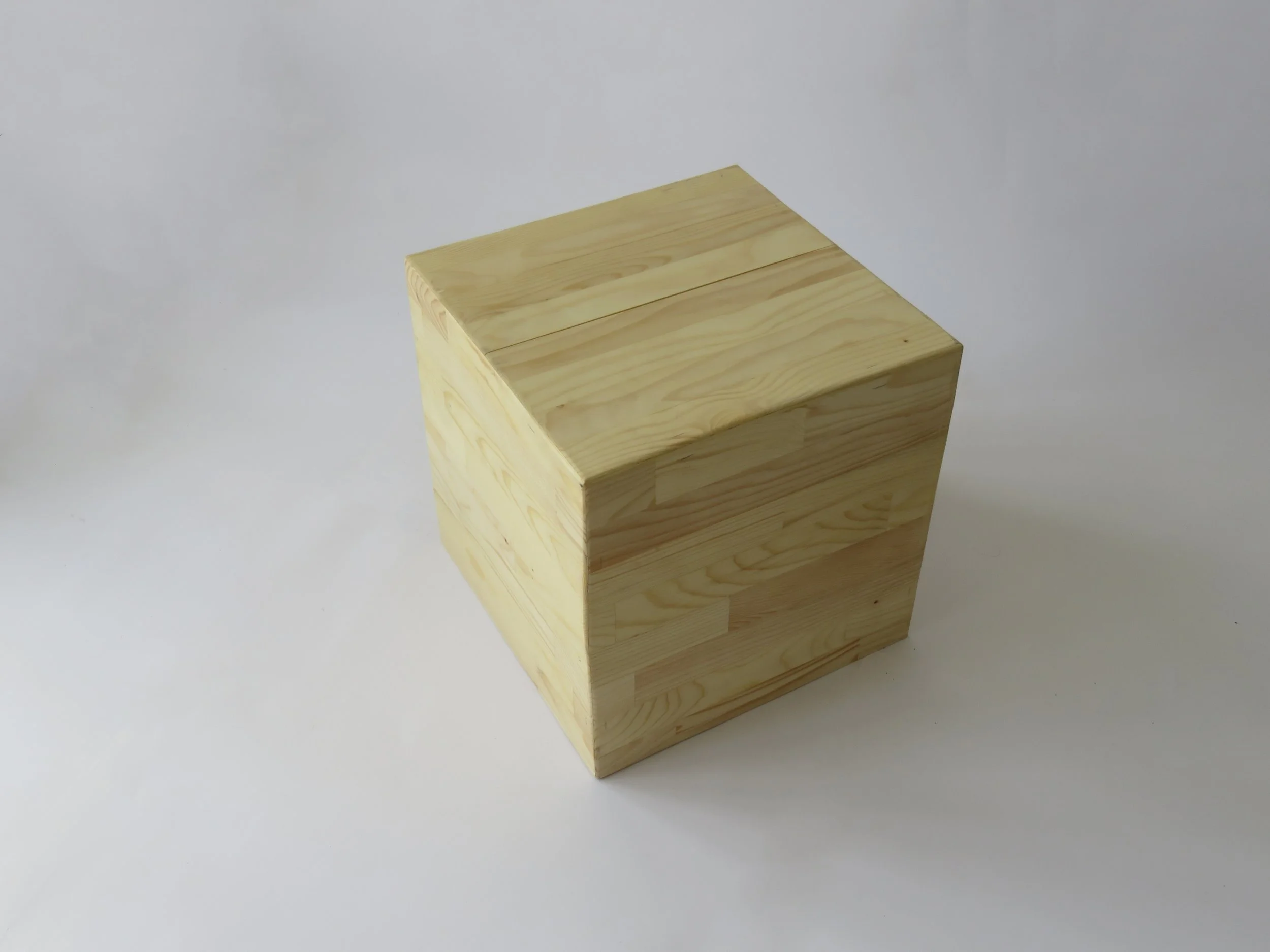
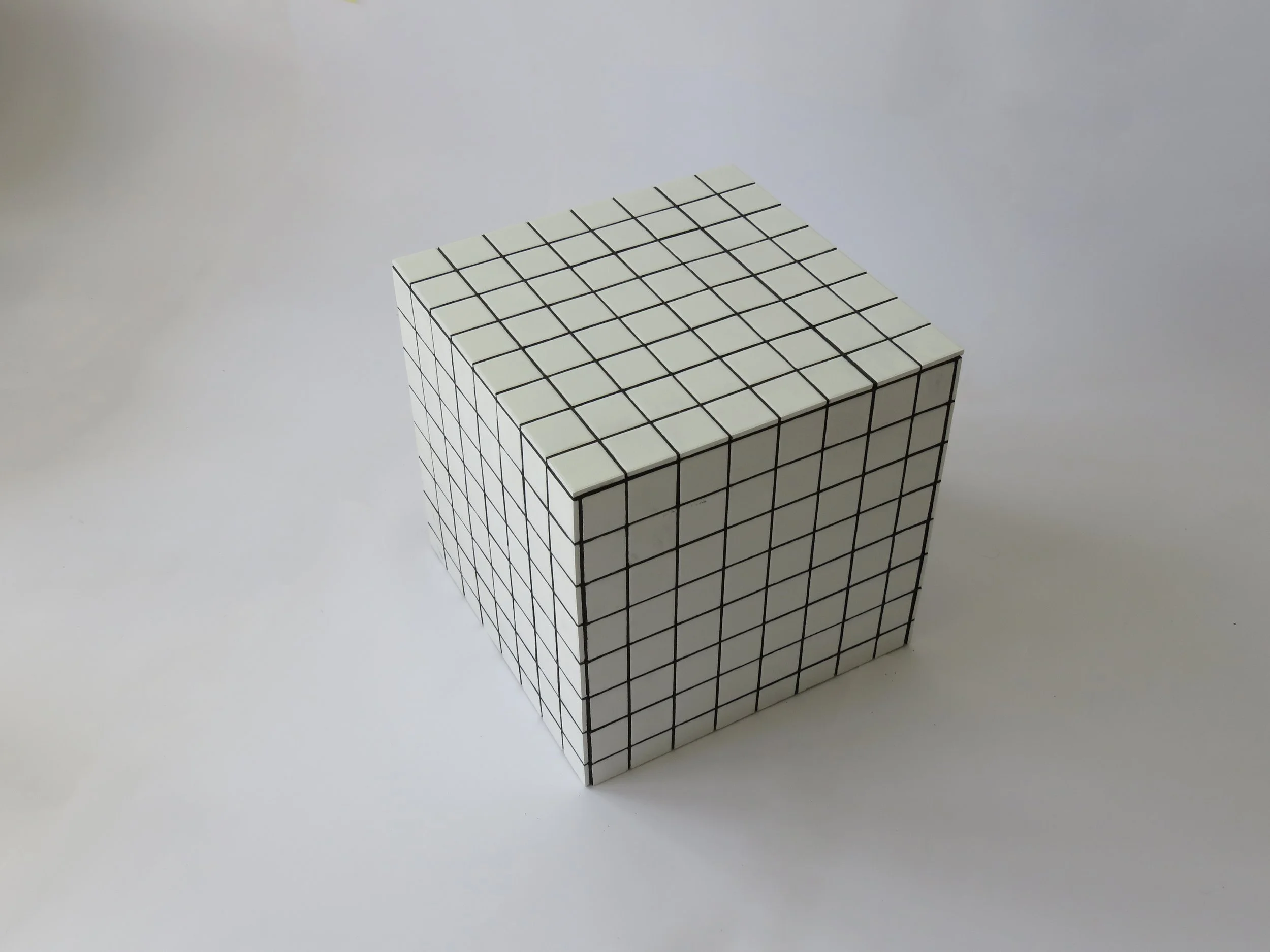
The collection presents four material variations of the same form: wood, mirror, perforated metal, and tile. Each brings a distinct relationship between material and light, creating different atmospheres and modes of interaction with the surrounding space. Materials are used in their most elemental state, honest and direct, without decorative ornament. Wood grain stays visible, metal retains its cold precision, mirror reflects without concealment, and tile introduces a graphic grid.
Despite its geometric simplicity, the contrast of materials gives Kocka an almost gallery-like presence. It makes no attempt to blend unobtrusively into a space; its identity is deliberately expressed, functioning as a small architectural intervention within the interior.
In an era of fast consumption and passing trends, Kocka offers a return to something essential: simple geometry, used with intention, can open nearly infinite spatial possibilities.
-
![]()
-
![]()
-
![]()
Perforated metal Kocka side table
-
![]()
Mirror Kocka side table
-
![]()
Wood (various versions) Kocka side table
-
![]()
White tile Kocka side table